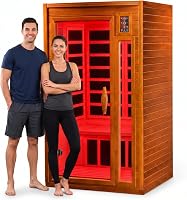
What to Look for in a Home Sauna Before You Buy
Check heat type, usable space, electrical needs and installation conditions first. Then compare seating, controls, materials and upkeep against how you plan to use the sauna.
On this page (9 sections)
- What heat type fits your home sauna routine?
- How much room should you allow for a home sauna?
- What electrical requirements should you check?
- Which materials and build details matter?
- What controls and comfort features will you use?
- What should you check about installation and upkeep?
- Which home sauna examples fit different needs?
- How do you compare home sauna options?
- What should you look for in a home sauna before you buy?
What to look for in a home sauna comes down to heat type, space, power, and installation needs. Check those first, then compare the seating, controls, materials, and upkeep that fit your routine.
A cabin that fits the floor may still be too tall for the ceiling or too wide for the doorway. Start with measurements and electrical requirements before comparing extras.
If you are still weighing cabin styles, our home sauna guide explains the main types, space needs, and power differences.
What heat type fits your home sauna routine?
Choose between infrared panels and a traditional heater based on the heat experience and home setup you want. Infrared cabins warm through panels, while traditional models use a heater and stones to heat the room air and create steam.
An infrared cabin may suit a buyer who prefers a lower operating temperature and a simpler plug-in setup, depending on the model. Traditional cabins can be a better fit if you want hotter air and the option to pour water over sauna stones.
These differences affect more than temperature. They can change the electrical work, warm-up routine, ventilation needs, and how you maintain the room.
For a closer comparison of the heat styles, read infrared sauna vs regular sauna. If traditional heat is your preference, compare electric sauna heaters for home sauna rooms and confirm that a heater matches the cabin's room volume and wiring.
How much room should you allow for a home sauna?
Check outside dimensions, inside seating space, and clearance before choosing a home sauna. A two-person label does not tell you whether two adults will have enough usable bench room.
Measure the intended footprint and ceiling height, including space for the door to open. Then measure doorways, hallways, stairs, and turns along the delivery route.
A cabin can be hard to use even when it technically fits. Leave room to enter, sit down, reach controls, and clean around the unit.
Compare the interior dimensions with the number of people who will use it at once. If you want more guidance, see how big a sauna should be.
What electrical requirements should you check?
Confirm voltage, amperage, and circuit needs before you buy. A standard household outlet may work for some infrared cabins, while other models need a higher-voltage connection.
Do not assume a plug fits the outlet just because its shape looks right. Check the manufacturer's installation instructions and ask an electrician to review the planned circuit, especially for a 240V heater.
Power also affects where you can install the sauna. Place it where the cord or wiring can reach safely without an extension cord unless the manufacturer explicitly permits one.
For help matching heater size to a room, see our sauna heater size guide.
Which materials and build details matter?
Look for clear material details, a secure door, and surfaces suited to heat and moisture. Wood type alone does not tell you how well a sauna will hold up in your room.
Check whether the cabin uses tempered glass, what the door seal is made from, and whether the interior surfaces are easy to wipe down. For outdoor use, confirm the cabin is designed for outdoor exposure and the temperatures in your area.
Also check how panels join, what the floor needs beneath it, and whether the manufacturer gives care instructions. These details affect assembly and routine cleaning.
What controls and comfort features will you use?
Choose controls and extras based on how you plan to use the cabin. Temperature settings, timers, lighting, audio, and ventilation can make a difference, but only if they suit your routine.
For example, a timer can help structure a session, while a roof vent can support airflow in a compact room. Bluetooth speakers and colored lighting may be useful to some households, but they should come after fit, power, and safe installation.
Check where the controls sit and whether they can be reached from the bench. If more than one person will use the sauna, consider whether the controls are easy for everyone to understand.
What should you check about installation and upkeep?
Confirm who can assemble the sauna, what tools it needs, and how it should be cleaned. A modular cabin may be easier to put together than a custom room, but the instructions still matter.
Check the required floor surface, ceiling clearance, ventilation, and distance from nearby walls. For indoor placement, consider humidity and how the room will dry after use.
Read the warranty terms and confirm which use conditions they cover. A warranty that applies only indoors may not cover a covered patio or other outdoor location.
If you plan to install a cabin in a garage, review whether a sauna can go in a garage before deciding on the spot.
Which home sauna examples fit different needs?
These four options illustrate common trade-offs in size, heat style, and placement. Compare each model's published dimensions and electrical needs with your space before choosing.
The Dynamic Saunas Andora is an infrared option for buyers who want a two-person cabin indoors. It uses six low EMF carbon panels, has LED controls and built-in speakers, and operates up to 135°F.
Its 120V, 15-amp plug avoids special wiring according to the product details, but check your outlet and installation instructions. The five-year limited warranty is for indoor use only.
The OUTEXER cabin suits buyers who want traditional heat and room for more than one person. It measures 41.34 x 47.24 x 74.8 in and includes a heater, stones, bucket, spoon, thermometer, and hygrometer.
Its 240V requirement makes an electrical check essential before purchase. Confirm that your planned room and circuit can support the installation.
The Albott cabin is aimed at a solo user with limited floor space. It measures 31.8 x 27.2 x 60.2 in, uses Finnish spruce, and has a roof vent and tempered glass.
Albott describes a modular snap-lock setup and a maximum temperature of 149°F. The maker recommends extra preheating time in cold winter conditions, so consider the room temperature where you plan to install it.
The Kanlanth cabin suits buyers who want to keep sauna use outside the home. It uses six far-infrared plates, measures about 58 x 41 x 81 in externally, and includes a digital control panel and Bluetooth speakers.
Check the outdoor temperature range and electrical setup for your climate and yard. Its oversized delivery also requires confirming the address and phone number for a shipping appointment.
How do you compare home sauna options?
Compare the requirements that can rule out a model first, then weigh comfort features. This order helps you avoid choosing a cabin that cannot fit or connect safely.
| Check | What to compare |
|---|---|
| Heat type | Infrared panels or traditional heater and stones |
| Space | Outside dimensions, inside bench room, ceiling height, and door swing |
| Electrical | Voltage, amperage, plug type, and circuit needs |
| Placement | Indoor or outdoor use, temperature limits, ventilation, and floor |
| Setup | Assembly steps, tools, help needed, and delivery route |
| Upkeep | Cleaning directions, moisture management, and warranty conditions |
| Comfort | Controls, lighting, audio, vents, and seating |
Do not compare only the advertised person count. Measure your space and review interior dimensions to see whether the seats work for the people who will use them.
For a shortlist of cabins for smaller indoor spaces, see best home saunas for a spare room or basement.
What should you look for in a home sauna before you buy?
Choose a home sauna by matching heat style and electrical needs to the room, then confirm dimensions, installation conditions, and maintenance. Pick an infrared cabin if its panel heat and power setup suit you; choose a traditional model if you want a heater and stones and can support its circuit.
Measure the delivery route and operating space before ordering. For a final comparison of indoor cabin choices, browse our indoor sauna cabins guide.
Frequently asked questions
What should I check first when buying a home sauna?
Check the sauna type, outside and inside dimensions, power supply, and installation location first. Those determine whether it fits your room, doorway, and electrical setup.
Then compare seating, controls, materials, ventilation, warranty terms, and cleaning needs against how often and how many people will use it.
Is an infrared or traditional sauna better for home use?
Neither type is right for every home. Infrared cabins use heating panels and often need less heat and different power than traditional rooms, while traditional saunas use a heater and stones for hot air and steam.
Compare the room, electrical requirements, and heat style you prefer.
How much space do you need for a home sauna?
Use the cabin's outside dimensions to plan floor space, then allow room for door swing, ventilation, controls, and safe access. Also measure the inside dimensions and bench layout to check whether users can sit comfortably.
Measure the route through the home before ordering a large cabin.
Does a home sauna need special wiring?
Some compact infrared cabins use a standard household plug, while traditional heaters may require a dedicated higher-voltage circuit. Check the exact electrical requirements for the model and have a qualified electrician confirm that your home circuit and installation location are suitable before buying.
Can you put a home sauna in a basement or garage?
A basement or garage may work if the floor, ceiling height, ventilation, moisture control, temperature range, and electrical supply suit the sauna. Check the cabin's approved installation conditions and local requirements.
Measure the route and operating clearances, and plan how you will manage heat and humidity.