Dry Sauna vs Steam Room: Heat, Moisture and Upkeep (November 2026)
Choose a dry sauna for hotter, less humid air, or a steam room for lower heat with high humidity. Your room, moisture control and preferred feel matter as much as the temperature.
On this page (6 sections)
Choose a dry sauna for hotter, less humid air, or a steam room for lower heat with high humidity. In a dry sauna vs steam room decision, your preferred feel, available space and willingness to manage moisture are the main factors.
Both can create a warm, enclosed place to relax, but they deliver heat differently. A traditional sauna heats a room and may create brief bursts of steam when water is poured on compatible stones; a steam room fills the space with moist air.
The products below illustrate two home formats and one useful accessory. They don't replace checking the electrical, installation and care requirements for the room you plan to use.
 Best for a fixed home room
Traditional Steam Sauna for 2-3 People, 240V 3KW
Dry sauna vs steam room: what is the main difference?
A dry sauna uses heated air with lower humidity, while a steam room uses moist air and visible steam. That changes how the heat feels and how you need to handle moisture afterward.
Traditional saunas often use a heater and stones. If the heater is made for it, a small amount of water on the stones creates a short wave of steam without turning the room into a fully humid steam chamber.
A steam room is designed to keep moisture in the space. Its walls, ceiling, floor and door need to suit repeated exposure to water vapor and condensation.
How does dry sauna vs steam sauna heat feel?
A dry sauna tends to feel hotter on exposed skin because the air temperature is higher and less moisture is present. You may also feel a quick rise in humidity when water hits sauna stones.
A steam sauna, sometimes called a steam room, surrounds you with humid air. Sweat may evaporate more slowly in that setting, so the same session length can feel different even at a lower thermometer reading.
There isn't one ideal feel for everyone. If you dislike humid air, a traditional sauna may suit you better; if you prefer moist heat, a steam room may feel more comfortable.
Does water on sauna stones make a sauna a steam room?
No, a brief pour on suitable sauna stones doesn't make a dry sauna equivalent to a steam room. It adds a short burst of steam, while the room's design and ventilation still support a sauna environment.
Only pour water when the heater instructions allow it. Our guide on pouring water on an electric sauna heater explains why heater type and stone setup matter.
Which home setup fits your space?
A dry sauna needs a suitable room, heater and electrical supply; a steam room also needs a plan for water and moisture control. Measure the footprint and check the installation requirements before choosing either format.
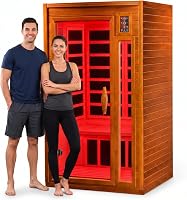
A wood sauna cabin can be a substantial permanent addition. The OUTEXER traditional model measures 41.34 x 47.24 x 74.8 inches, is described for 2-3 people and uses a 3KW heater rated for 220V-240V.
That size and voltage make the electrical and access checks essential. Confirm the route through doors and stairs, the available floor area, ventilation needs and whether your circuit can support the heater.
A steam room can be a tiled room or a purpose-built enclosure, depending on the system. In either case, the room needs materials and construction suited to frequent moisture.
Is a portable steam tent a practical alternative?
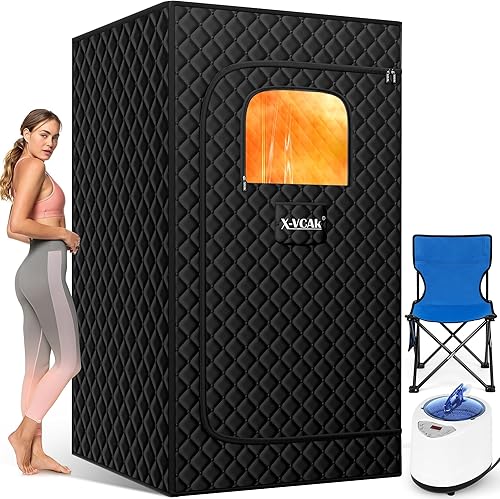
A portable steam tent can work when you want a personal steam area that folds away after use. The X-Vcak model includes a folding chair, remote control and a zippered window, and it can be moved between rooms.
It still needs a level, suitable spot and a nearby power source for its steamer. Plan where condensation will go and allow the tent and surrounding area to dry after each session.
This format isn't a substitute for a multi-person cabin. Compare it with home sauna types and space needs if you are deciding between a tent, cabin or room.
Which option is easier to maintain?
A dry sauna usually has less moisture to manage, while a steam room needs more attention to condensation and drying. Either space needs cleaning and regular checks based on its materials and instructions.
In a dry sauna, wipe benches and surfaces as directed, keep air moving, and let the room dry after use. If you use water on stones, keep the bucket and ladle clean and dry them between sessions.
A steam room collects moisture on surfaces and may leave water on the floor. Use the room's drainage and ventilation as intended, and follow the manufacturer's cleaning guidance for tile, grout, seals and any equipment.
How should you handle water in a traditional sauna?
Use water only with a heater designed for it, and pour a small amount according to the heater instructions. Don't pour water onto exposed heating elements or assume every electric heater can produce steam.
A 1-gallon red cedar bucket and ladle set gives you a way to carry water and control each pour. The ladle holds 3.4 ounces, and the bucket has a removable liner for cleaning.
For more on plumbing, read whether a sauna needs a water line. A bucket can carry water to a compatible heater, but it doesn't answer plumbing or drainage needs for a steam room.
Which one uses more energy?
You can't identify an energy winner from the room type alone. Heater size, session length, room insulation, temperature setting and how often you use the space all affect energy use.
The OUTEXER cabin's heater is 3KW and uses 220V-240V. That figure describes the heater's rated power, not the energy consumed during a session; actual use depends on runtime and controls.
A steam generator's power and operating pattern vary by model. Compare the wattage and instructions for the exact units you are considering, then estimate use from the hours you expect to run them.
If you are planning a fixed home installation, factor the electrical work into the decision. A portable tent may be easier to move, but its steamer still uses electricity and needs the setup described by its maker.
What should you consider before buying?
Choose based on heat preference, room conditions and the work involved in setup and care. A lower purchase footprint doesn't always mean a simpler room plan if moisture, power or drying are overlooked.
A traditional sauna suits someone who wants a wood cabin and hotter, less humid air. The OUTEXER cabin is described for 2-3 people and includes a heater, stones, bucket, ladle, thermometer-hygrometer and other accessories.
A steam room suits someone who prefers moist heat and has a room or enclosure built to handle it. A portable tent can serve one person without a permanent cabin, as long as its setup and drying routine fit your home.
Before settling on a cabin or room, read how to sauna properly at home for a practical routine and safety basics. Keep sessions within the equipment guidance, leave if you feel unwell, and ask a health professional about personal medical concerns.
Which option is better for a small home?
A portable steam tent generally takes less permanent space than a full cabin because it can fold away. You still need enough room to set it up safely and to dry it afterward.
A compact infrared or traditional cabin may suit a dedicated spare room, but verify its exact size and power needs. Browse indoor sauna cabins to compare formats for a fixed indoor location.
Which is easier for a first home sauna?
A portable tent has fewer permanent space commitments, while a cabin offers a more room-like setup. Neither is automatically easier: consider assembly, electrical needs, ventilation, cleanup and how often you will put it away.
If you want a simple routine, choose the type you can maintain consistently. The best setup is one that fits the room and your comfort preferences without creating a care task you will avoid.
How do you choose between a dry sauna and steam room?
Pick a dry sauna if you prefer higher heat, lower humidity and a traditional heated cabin; pick a steam room if you prefer moist air and can manage the added moisture. Then check the exact unit's power, dimensions and care instructions.
For a dedicated space, the OUTEXER cabin offers a fixed 2-3 person format with a 3KW heater. For a personal setup you can move and fold away, the X-Vcak tent is the more compact option; either choice needs the right electrical and moisture plan.
Continue with our home sauna guide to compare types, space and power before you choose.
External guidance: U.S. Consumer Product Safety Commission electrical safety and [U.S.
Environmental Protection Agency mold and moisture guidance](https://www.epa.gov/mold).
Frequently asked questions
Is a dry sauna hotter than a steam room?
A dry sauna commonly runs at a higher air temperature with lower humidity, while a steam room uses lower heat and very high humidity. Exact temperatures depend on the room and its controls, so compare the maker's operating guidance for the specific setup rather than relying on one universal range.
Does a steam room need more upkeep than a dry sauna?
A steam room usually needs more attention to moisture, drainage and surfaces because water vapor settles on the room. A dry sauna still needs regular cleaning, ventilation and drying after use.
The materials, construction and maker's care instructions determine the routine for either space.
Can you add water to a dry sauna heater?
Only add water if the heater is designed for it and its manual allows the amount and method. Some traditional heaters use stones for steam, while other heater types are not made for water.
Check the instructions before pouring, and see our guide to pouring water on an electric sauna heater.
Can a portable steam sauna replace a steam room?
A portable steam tent can provide a personal steam space at home, but it isn't the same room setup as a built-in steam room. It needs assembly, a suitable place to operate, and care to dry the tent and surrounding area after use.
Do you need a water line for a home sauna?
A traditional dry sauna generally doesn't need a water line just to heat, though water may be used on compatible stones. Steam rooms need water for steam generation, but the exact plumbing depends on the equipment.
Review our guide to whether a sauna needs a water line.